About Capyo

Last-mile learning infrastructure, built in Montréal.

We believe everyone deserves access to quality education.

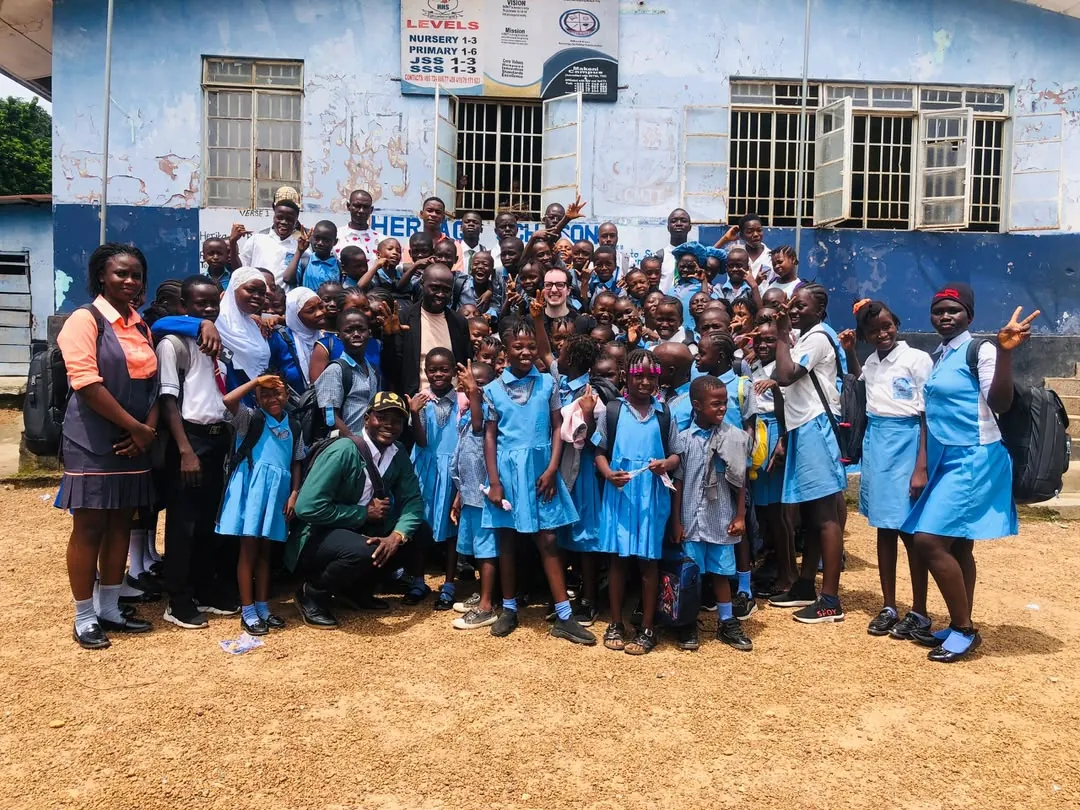
Max with students and teachers at Heritage Pre-High School, Makeni, Sierra Leone

The realities

Most aid arrives in pieces. We send the whole thing.

Four approaches the sector keeps trying. None scale. We took a different shape.

What gets sent What we ship
Hardware drops Laptops arrive. Nobody trained. They sit in the crate. A classroom, complete Laptops, curriculum, teacher training, internet, in one container, in weeks.
Foreign curriculum Wrong language. Students tune out by week two. Ministry-mapped, mother-tongue Approved by the ministry, taught in the dialect the class actually speaks.
Pilot, then gone One flagship school for the video. The rest never hear from us again. We stay Same school, same students, every term. Long-haul, on the ground, with a local lead.
Software-only platforms An app, no devices, no power, no bandwidth. The whole stack Solar, satellite, hardware, software, dashboards. Runs off-grid, on day one.

0M

More teachers needed by 2030 (UNESCO)

We need more teachers. Not fewer.

Capyo doesn't replace the teacher. It extends the one already in the room. Every classroom is also a training pipeline: the strongest learners stay on as the next generation of teachers, on hardware and curriculum they already know.

Watch the film Inside a deployed classroom

A letter from the founders

On what we are building.

Montréal · 2026 ≈ 2 minute read
To the reader

The effort that has gone into reaching the world's most underserved students is extraordinary. For decades, governments, foundations, and teachers have given enormous time, money, and heart to it, and they have changed countless lives doing so. We have nothing but respect for that work. It is the ground everything else, us included, gets to stand on.

Spending time in these communities, what struck us was not how little has been done, but how hard it is for progress to take root and last when a place cannot yet sustain it on its own. So that is where we put ourselves: not adding one more thing from the outside, but helping a community grow its own. The teachers who go on to teach their neighbors. The doctors who stay and care for their towns. The people who, given the right tools, carry their communities forward from the inside.

We wanted to take what the field has already learned and help it reach further. So we built Capyo as a complete classroom a community can stand up in weeks and then run on its own, simple enough to bring almost anywhere, and made so each place can keep going long after we have moved on.

We move with urgency, because children grow up while the right plans are still being written. We would rather get something real into a community and keep improving it, alongside the people who know it best, than wait for something flawless.

And when it works, it compounds. The strongest students become the next teachers. A place that could train a few can train many. In time, a community grows its own teachers, its own doctors, its own builders, and needs us less and less. That is the whole point.

We try to hold ourselves to what truly matters. Not attention or polish, but whether children can read, whether they can do the math, and whether, years on, more of them are teaching, healing, and building the places they are from.

We are still early, and grateful, to everyone who believed before there was much to show, and to the people who have done this work far longer than we have and teach us constantly. But our belief is simple: every community already holds the people who can grow its future. We just want to help put the tools in their hands.

We are in this for the long haul, and we would love for you to join us.

Max Brie & Ted Peterson

Co-founders, Capyo
From the field

Learn more about our deployments.

Filmed in a deployed Capyo classroom, Sierra Leone.

What we believe about learning

First, make them want to come back tomorrow.

A child failed by school once will not show up the second time because they were told to. They show up because the place is alive, the work is theirs, and tomorrow has something in it worth coming back for. So we built Capyo as a game. On purpose.

The one number that matters

+0.00σ

Gain on cognitive learning outcomes when learning is gamified.

Sailer & Homner (2020). Meta-analysis pooling twenty years of empirical work. Half a standard deviation is roughly half a grade level of gain, in real classrooms, on real curriculum.

How we work

Three principles we don't compromise on.

Not slogans on a wall. The three rules that decide what we build, how it ships, and what we refuse to do.

  1. Responsible AI, by default.

    Voice models a ten-year-old can talk to. Trained on the ministry's curriculum, not the internet. Teachers set every guardrail.

  2. Built to scale.

    Every classroom ships as one repeatable unit. The unit doesn't change. The cost doesn't surprise.

  3. We listen before we ship.

    Local educators run every classroom. Ministries approve the curriculum. We never parachute a model in.

The people

Two co-founders, a director, and one conviction.

Where a child is born should never decide the classroom they get. A small, technical team out of Montréal, backed by veteran educators, built around that belief. We code, we ship, we fly: half the year in the field, half at the workbench.

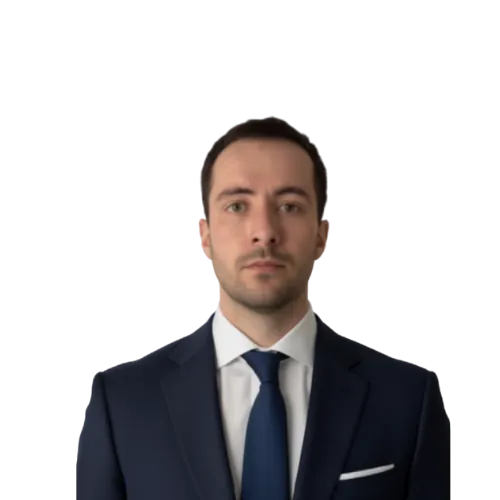
  1. Max Brie Max Brie Co-founder · CEO Strategy, partnerships, field deployments. A year on the road meeting the teachers and ministries Capyo now serves.
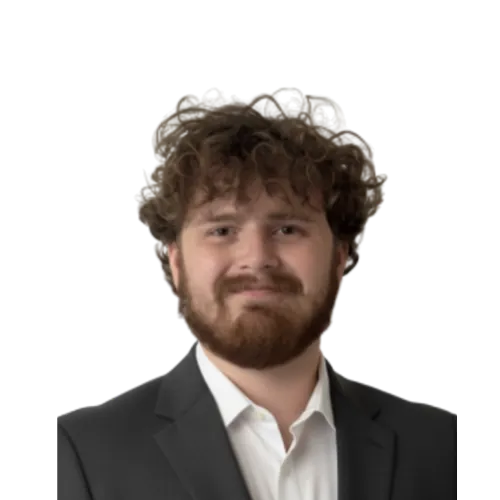
  2. Ted Peterson Ted Peterson Co-founder · CTO The platform, the dashboards, the AI tooling. The reason a Capyo classroom keeps running when the satellite link drops.
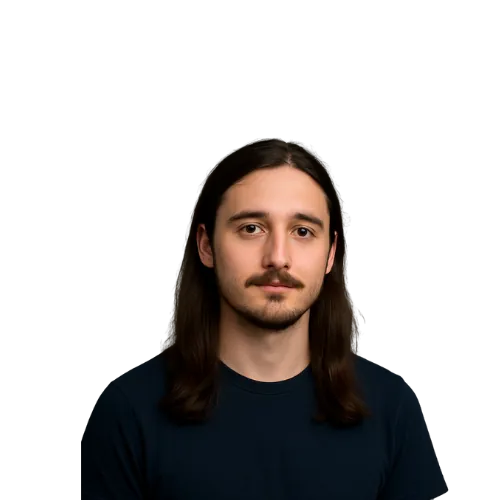
  3. Drew Hamilton Drew Hamilton Director · Cybersecurity Hardens every deployment. Student data protected end-to-end, on hardware that often runs without IT support nearby.

Ten years building together. The same three people who plan a deployment fly out and run it.

Pedagogy

100+years

Classroom & curriculum experience, sitting on every deployment.

A pedagogy team whose combined classroom work runs past a century.

Experience

Globaltrack record

Advisors who have worked in classrooms around the world.

Decades of teaching and curriculum work across several continents.

On the ground

A local liaison in every city we operate.

Capyo does not deploy without one. Each container, each classroom, each cycle is led by someone who lives where the work happens. Same street. Same school. They open the doors. They keep them open.

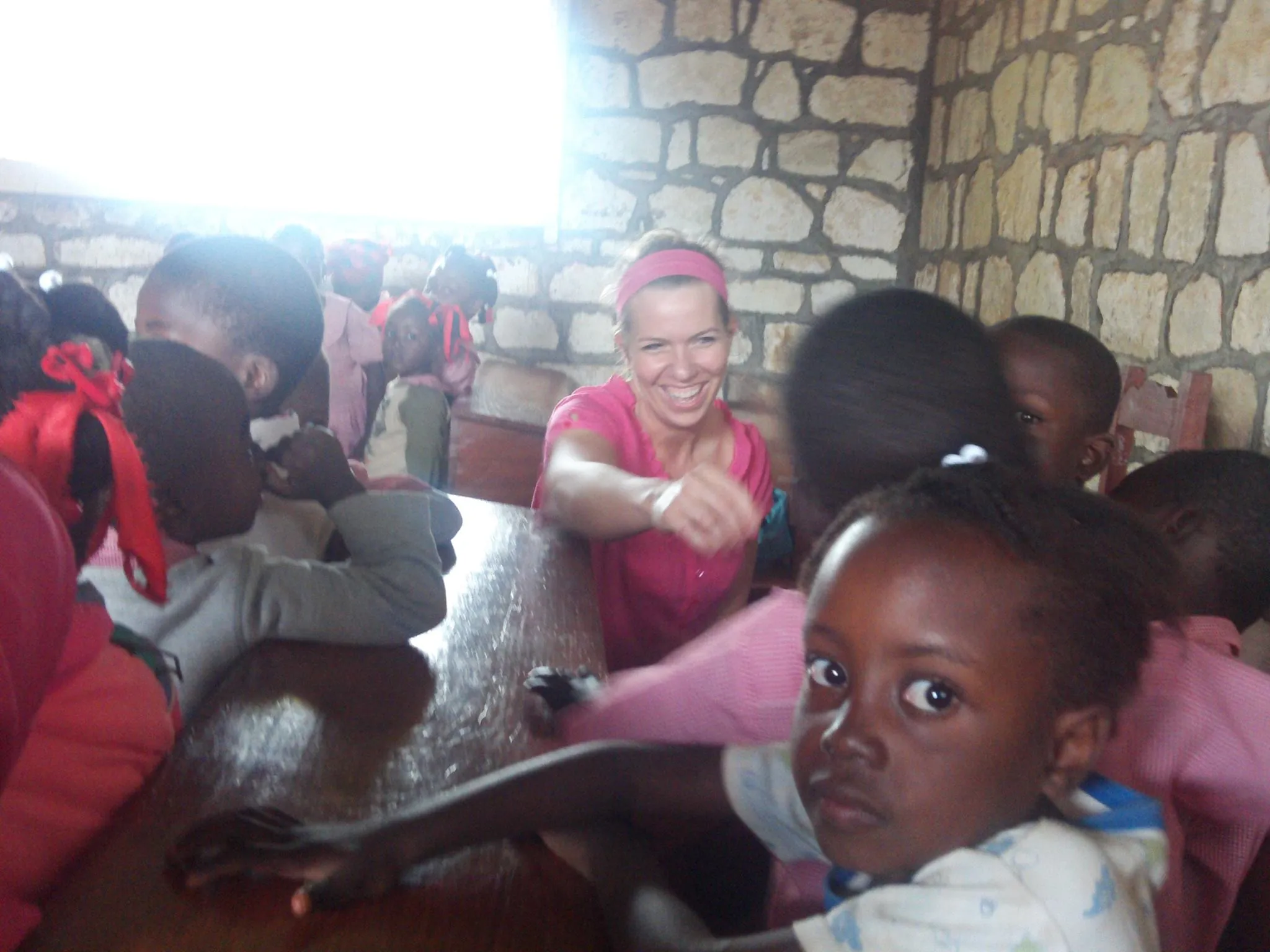
Jayme Sinclair working with children in Port-de-Paix, Haiti
Port-de-Paix, Haiti Jayme & the students at Reach Out La Fond
Port-de-Paix · Haiti

Jayme Sinclair

Director · Reach Out La Fond, Haiti

Two decades of patient, devoted work with children in northern Haiti. The reason the field model exists at all. Jayme is the example. Every city we enter, we enter with someone like her.

If you live and work in education where we deploy, we want to meet you. Liaisons are how Capyo enters. Never consultants we hire after.

Questions

The questions we get asked.

If your question isn't here, the contact form below goes straight to a founder. We answer fast.

  1. How does a Capyo classroom work without internet?

    Every container ships with a satellite uplink and an on-device curriculum cache. Lessons, the AI subject coach, and student progress all run locally; the satellite link syncs progress and updates when bandwidth allows. A classroom can run for months in cached mode without losing a day of learning.

  2. Who pays for the deployment?

    Capyo is a for-profit social enterprise operating under Global Impact Canada's (GIC) Shared Platform. Each container is funded by a mix of partner ministries, philanthropic capital, and revenue from longer-term licensing. Schools and communities never pay out of pocket.

  3. Are you replacing teachers with AI?

    No. Every Capyo classroom has a local educator running it. The AI subject coach extends their reach, handles practice and feedback at the student's pace, and follows the rules the teacher sets. The strongest learners stay on as the next generation of teachers in their own country.

  4. How long does it take to deploy a classroom?

    From signed agreement to a working classroom is typically eight weeks. The container ships, the local liaison runs site setup, and the first cohort of students starts inside the first month after arrival.

  5. What happens to student data?

    Student data stays inside the deployment. We keep the smallest set of records needed to run the classroom and report to the local ministry. No advertising, no third-party sale, end-to-end encryption on every device. Cybersecurity is owned in-house, not outsourced.

  6. Does the curriculum match the local ministry?

    Yes. We map the curriculum to the local ministry's syllabus before the container ships, and the AI subject coach accepts and replies in the language of instruction (and the student's mother tongue). Vocabulary is tagged so the test the students sit at the end of the year still works.